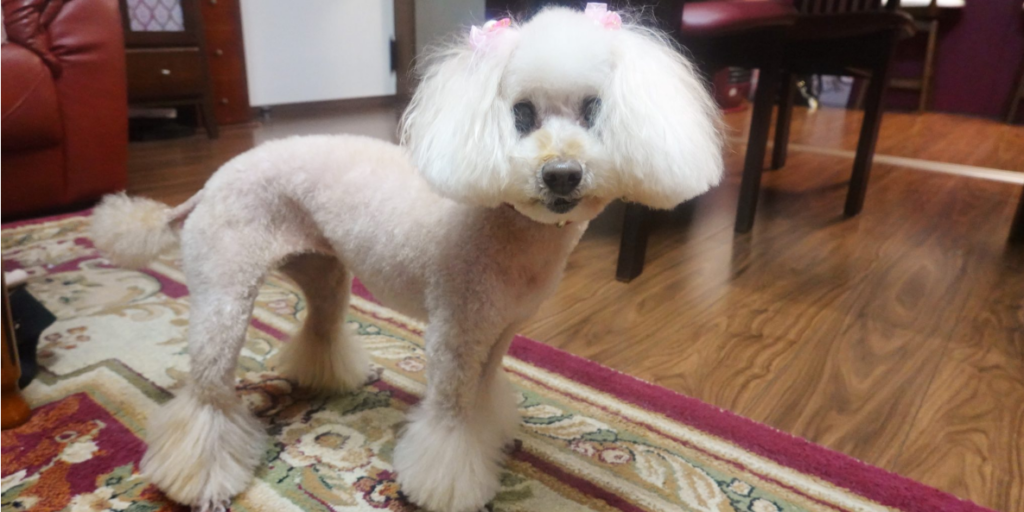

Living with a dog in an apartment is absolutely doable—with the right routines, smart space planning, and plenty of enrichment.
Whether you have a toy breed or a high-energy pup, this guide will help you create a comfortable, happy, and well-behaved apartment dog.
1. Creating a Dog-Friendly Apartment
Even small apartments can be transformed into cozy, functional dog spaces.
Safety basics:
- Secure balconies and low windows.
- Keep cleaning supplies and medications out of reach.
- Hide or cover electrical cords.
- Use baby gates to control access to certain rooms, if needed.
Space-saving ideas:
- Choose a slim-profile bed or a foldable mat.
- Use vertical storage for toys and supplies.
- Dedicate a small “dog zone” for water, food, and rest.
2. Exercise Requirements (The Big One!)
Apartment dogs need consistent physical activity since they don’t have backyards to roam.
Tip: Tired dogs bark less, chew less, and are better apartment neighbors!
Daily exercise guidelines:
- 2–3 walks per day (including one longer walk).
- Additional play sessions indoors or outdoors.
- For high-energy breeds: fetch in hallways, stair climbing (if safe), or dog park sessions.
- Use long leads or retractable leashes only in safe, open areas.
3. Mental Stimulation for Indoor Dogs
Limited space makes mental enrichment crucial.
Great enrichment options:
- Puzzle feeders and treat-dispensing toys
- Snuffle mats
- Training sessions (5–10 minutes each)
- Hide-and-seek games
- Window perches for visual stimulation
4. Feeding & Water in a Small Space
Do this gradually and pair new experiences with treats to build confidence.
Proper socialization reduces fear and aggression later in life.
Introduce your dog to new:
- Choose food that matches your dog’s age, size, and activity level.
- Establish a feeding routine—morning and evening meals work best.
- Keep water bowls in low-traffic areas to prevent spills.
- Store food in airtight containers to reduce odors in small spaces.
5. Grooming & Apartment Cleanliness
A clean dog = a cleaner apartment.
Grooming tips:
- Brush regularly to reduce shedding.
- Wipe paws after walks to prevent dirt buildup.
- Bathe as needed (usually every 4–8 weeks, depending on coat).
- Keep nails trimmed to avoid floor scratches.
- Use washable blankets on furniture if your dog loves snuggling.
Odor control:
- Vacuum regularly.
- Use enzyme cleaners for accidents.
- Wash dog bedding weekly.
6. Potty Training & Indoor Bathroom Solutions
Apartment dogs need clear routines.
Never punish potty accidents—redirect and reinforce good behavior instead.
Reliable potty routine:
- Take your dog out first thing in the morning, after meals, and before bed.
- Be consistent with timing and route.
- Reward immediately after they go outside.
Indoor alternatives (for puppies or long work hours):
- Pee pads
- Artificial grass patches
- Balcony potty stations (if allowed and safe)
7. Managing Noise & Barking
Apartment buildings amplify sound, so managing barking is key for good neighbor relations.
Introduce your dog to new:
- Meet exercise needs (a tired dog is a quiet dog).
- Use white noise or soft music when you’re out.
- Teach the “quiet” cue using positive training.
- Close blinds if your dog barks at outside movement.
- Offer chew toys or puzzles to reduce boredom barking.
8. Separation Anxiety in Apartments
Smaller spaces can make anxiety more noticeable.
If anxiety is severe, consult a trainer or veterinarian.
Prevention & management:
- Start with short departures and increase gradually.
- Leave puzzle toys or stuffed Kongs.
- Keep your departures calm and low-key.
- Avoid punishing anxious behavior.
9. Training & Good Neighbor Etiquette
Apartment living requires a bit of extra courtesy.
Always pick up after your dog—every time.
Train key behaviors:
- Loose-leash walking in hallways
- “Sit,” “wait,” and “come”
- No jumping on neighbors
- Calm behavior in elevators
10. Exploring the Neighborhood
Your local environment becomes your dog’s extended living space.
Proper socialization reduces fear and aggression later in life.
Socializing tips:
- Find parks and dog-friendly areas nearby.
- Rotate walking routes for variety.
- Consider doggy daycare if your dog needs more socialization and energy release.
Apartment living with a dog is not just possible—it can be incredibly rewarding. With the right exercise schedule, enrichment, safety measures, and routines, your dog can thrive physically and emotionally, even in a small home.
Related Posts
-
Safe Travel Tips for Dogs and Cats
How to ensure safety belt peace of mind for your pet. Traveling with pets—whether for a short vet visit or…
-
Essential Dog Care Guide for Apartment Living
Living with a dog in an apartment is absolutely doable—with the right routines, smart space planning, and plenty of enrichment.…
-
Top Pet Care Tips Every Pet Parent Should Know
Bringing a pet into your home is one of life’s greatest joys—warm cuddles, wagging tails, and endless companionship. But being…